
John Paul II Polish Saturday School in Liverpool was founded in 2005 at the initiative of parents who wanted to support the preservation of the Polish language, culture and national identity among children growing up outside Poland. Over the years, the school has continued to develop, becoming one of the leading Polish educational institutions in the Merseyside region.
In 2025, the school community proudly celebrated its 20th anniversary, marking two decades of commitment to education, community integration and supporting Polish families in Liverpool.
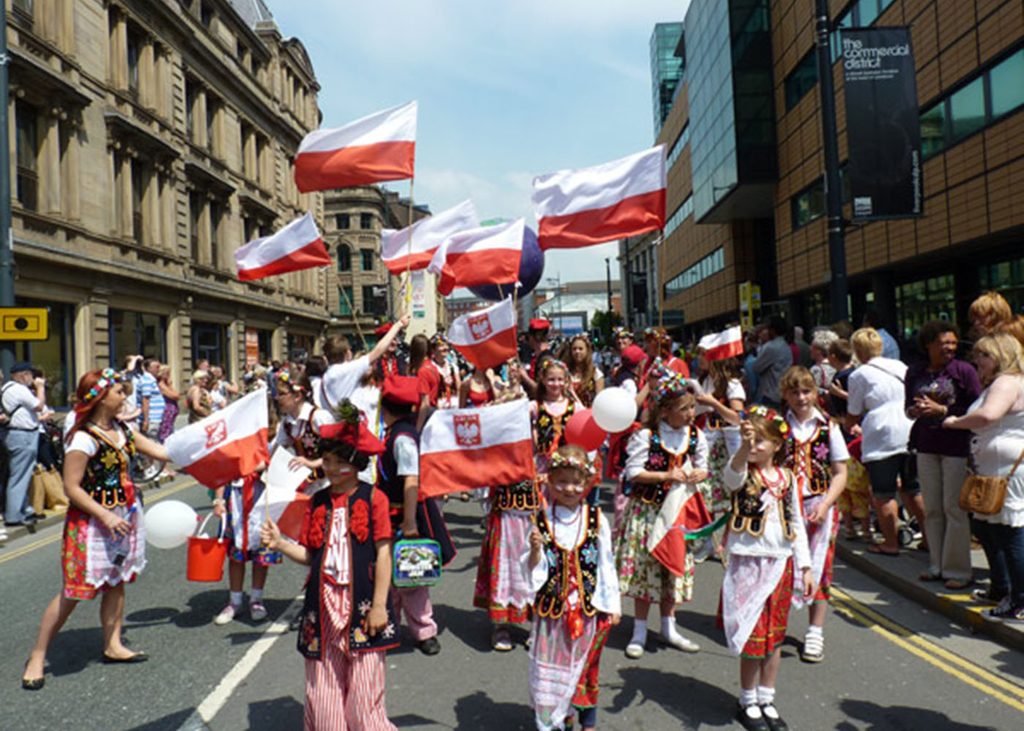
The school continues to grow. In response to the needs of the local community, new classes are regularly created, our educational provision is expanded, and additional projects and events are organised for pupils and their families. We take part in numerous educational, cultural and community initiatives, promoting the Polish language, Polish heritage and the values of multiculturalism.
We are affiliated with the Polish School Society and the Liverpool Supplementary Schools Network. We also belong to the National Resource Centre for Supplementary Education (NRCSE)..
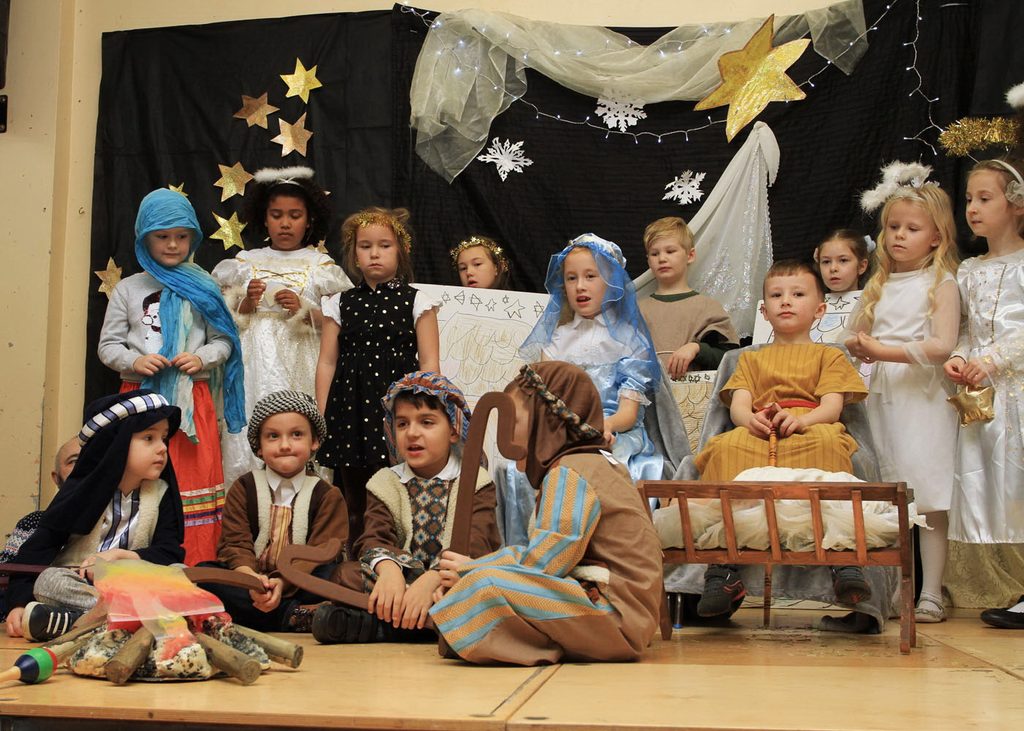
Our work is based largely on the dedication of volunteers. Thanks to the commitment and contribution of our teachers, board members, parents and friends of the school, we are able not only to provide education, but also to organise events, celebrations and projects that enrich the life of our school community.
We maintain strong relationships with the Consulate General of the Republic of Poland in Manchester, the local authorities in Liverpool, and numerous organisations working with the Polish community. Through these partnerships, we are able to play an active role in the life of the city, represent the Polish community and provide our pupils with an increasing range of opportunities for personal and educational development.
Our mission extends beyond teaching the Polish language, history and culture. We aim to foster a strong sense of belonging, pride in Polish heritage and an understanding of cultural identity, while preparing the younger generation to participate actively and confidently in a multicultural society.
